How to Disable Incognito Mode on Android (Official Methods)
You can disable Incognito mode on Android in two official ways: supervise the person's Google Account with Google Family Link, which turns Incognito off in Chrome automatically, or, on a work-managed phone, set the Chrome policy IncognitoModeAvailability to "Disabled". Chrome for Android has no switch in its own settings that does this, and neither method needs root.
The steps below are for Google Chrome on Android 6.0 and later, using Google's own help pages as they read in November 2026.
Which method should you use?
- A child's or teen's phone: use Family Link. It is free, built by Google, and blocking Incognito is automatic once the account is supervised.
- A company or school phone that your organisation manages: use the Chrome policy through your device management (EMM) tool or the Google Admin console.
- Your own phone, for yourself: Google does not document a way to turn Incognito off for an unmanaged personal account. The two routes above are the only official ones.
How do you disable Incognito with Family Link?
Google's help page for Family Link and Chrome says it plainly: "Incognito mode is turned off when your child is signed in to Chrome with an account managed by Family Link." There is no separate Incognito toggle to find. You only need to set up supervision.
What you need, according to Google's Family Link setup guide:
- A parent with a Google Account, aged 18 or older (or the age that applies in your country), living in the same country as the child.
- The Family Link app on the parent's phone: Android 6.0 or later, or an iPhone or iPad on iOS 16 or later.
- A child's device running Android 6.0 or later, signed in with the child's Google Account.
Then:
- Install Google Family Link on your phone.
- In the app, either create a new Google Account for your child or add supervision to the account they already use. The app walks you through linking the child's phone.
- Make sure your child signs in to Chrome on their phone with that supervised account.
- Open Chrome on the child's phone and check the menu. The New Incognito tab option should no longer be available.
How do you stop them using another browser instead?
Family Link only controls Google Chrome. Google's own page warns that a child "may also have access to other browsers where Family Link settings for Chrome won't apply." So block the other browsers too:
- Open the Family Link app and select your child.
- Tap Screen time, then Time limits, then App limits.
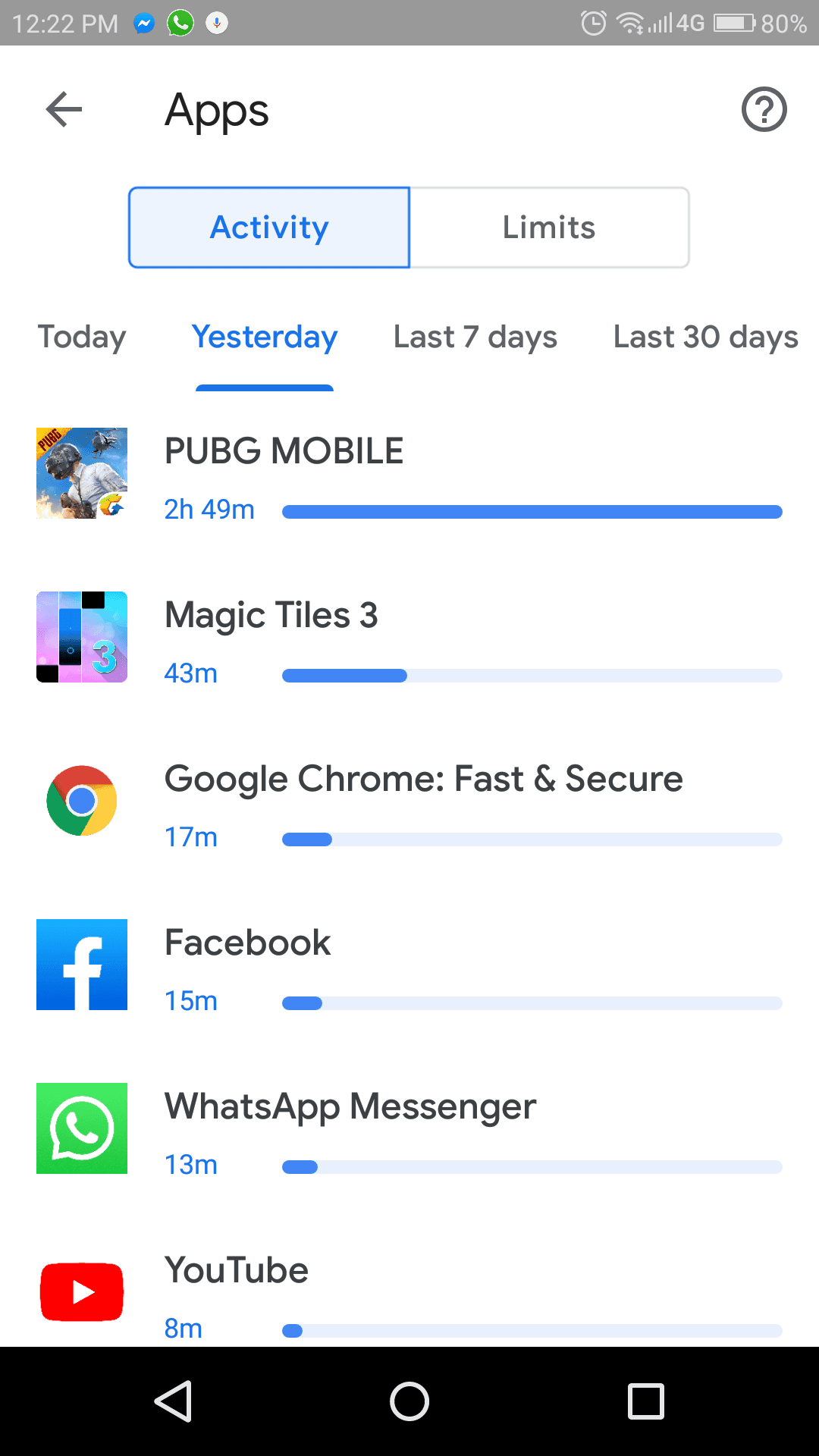
- Find each other browser in the list (Firefox, Opera, Samsung Internet and so on), select it, turn off the Allowed toggle and tap Done.
Google notes that some apps cannot be blocked because the phone or the supervision itself needs them, and that system apps cannot have app limits placed on them. App limits work on Android 7 and later. If a browser that came with the phone cannot be blocked this way, check it by hand on the child's device.
What else can Family Link control in Chrome?
Once Incognito is off, you can also filter what your child sees. In the Family Link app, select your child and go to Controls, then Google Chrome and Web. From there you can:
- Choose a filter level: allow all sites, try to block explicit sites, or only allow sites you approve.
- Add specific sites under Approved sites or Blocked sites.
- Stop sites from using the camera, microphone or location.
The same app sets daily screen time limits, so you can still handle the "daytime and bedtime" limits many parents want. For Play Store age ratings, see our guide to parental controls in the Google Play Store.
How do you disable Incognito on a work-managed Android phone?
Organisations set this with a Chrome policy rather than an app. The policy is called IncognitoModeAvailability and has three values:
- 0, Enabled: Incognito is available (the default).
- 1, Disabled: pages cannot be opened in Incognito mode.
- 2, Forced: pages open only in Incognito. Google's policy documentation says this value does not work on Android.
To set it with Google's own tools, Google's guide to managing Chrome on Android requires Google Workspace with advanced mobile device management turned on. Then:
- Sign in to the Google Admin console with an administrator account.
- Go to Menu, then Apps, then Web and mobile apps, and click Google Chrome.
- Click Managed Configurations, then Add Managed Configuration.
- Name the configuration and set Incognito mode availability to Disabled. Click Save.
- Assign the configuration to an organisational unit or group under the app's Settings and save again.
If you use a different device management tool (Intune, Workspace ONE, SOTI and others), it pushes the same Chrome policy as a managed app configuration. The full description of each policy is in the Chrome Enterprise policy list.
What we checked: on 6 November 2026 we read Google's published Chrome policy templates. IncognitoModeAvailability has been supported on Chrome for Android since Chrome 30, the older IncognitoEnabled policy is marked deprecated, and the "Forced" value is limited to desktop, ChromeOS and iOS.
What about apps that promise to disable Incognito with root?
Older guides, including an earlier version of this page, suggested rooting the phone and installing a third-party "disable Incognito" app. We no longer recommend that. Rooting changes the phone's system software and can void its warranty, and it is not needed: the two methods above are supported by Google and need no changes to the phone's software.
FAQ
Can I turn off Incognito in Chrome settings on Android?
No. Chrome for Android has no setting for this in its own menus. Google's documented ways are a Family Link supervised account or the IncognitoModeAvailability policy on a managed device.
Does Family Link block Incognito in every browser?
No. It only turns off Incognito in Google Chrome. Block other browsers with App limits in the Family Link app.
Can my child get around it by signing out of Chrome?
Google warns that on computers, iPhones and iPads a child can sign out of Chrome or switch profiles, and Family Link's Chrome settings then stop applying. Google's page does not list Android phones among the devices where this happens, but test it on your child's phone after setup to be sure.
Do I need to root my phone?
No. Neither Family Link nor the Chrome policy needs root access.

Related Articles
How to Disable Incognito Mode on Android (Official Methods)
How to Wipe Out Data without Entering into Recovery Mode in Android
Android 101: Howto Install ADB & Fastboot on Windows with Android SDK