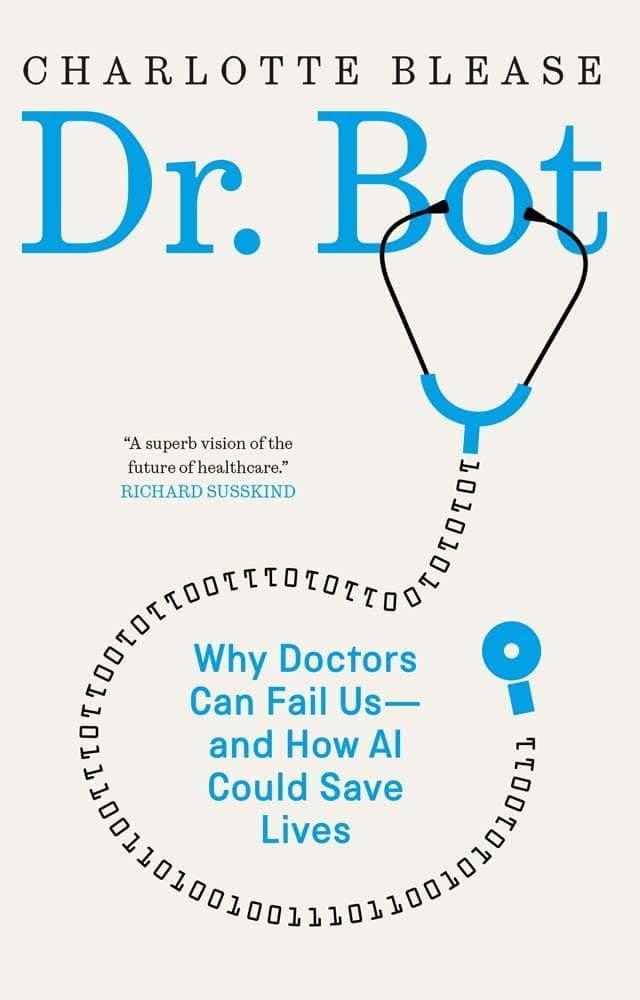
In the latest development from the tech industry, the ascent of the ai therapist. This news has caught the attention of technology enthusiasts and industry watchers alike.
We’re in the midst of a global mental-health crisis. More than a billion people worldwide suffer from a mental-health condition, per the World Health Organization. The prevalence of anxiety and depression is growing in many demographics, particularly young people, and suicide is claiming hundreds of thousands of lives globally each year.
Given the clear demand for accessible and affordable mental-health services, it’s no wonder that people have looked to artificial intelligence for possible relief. Millions are already actively seeking therapy from popular chatbots like OpenAI’s ChatGPT and Anthropic’s Claude, or from specialized psychology apps like Wysa and Woebot. On a broader scale, researchers are exploring AI’s potential to monitor and collect behavioral and biometric observations using wearables and smart devices, analyze vast volumes of clinical data for cutting-edge insights, and assist human mental-health professionals to help prevent burnout.
But so far this largely uncontrolled experiment has produced mixed results. Many people have found solace in chatbots based on large language models (LLMs), and some experts see promise in them as therapists, but other people have been sent into delusional spirals by AI’s hallucinatory whims and breathless sycophancy. Most tragically, multiple families have alleged that chatbots contributed to the suicides of their loved ones, sparking lawsuits against companies responsible for these tools. OpenAI CEO Sam Altman revealed in a blog post that 0., in october 15% of ChatGPT consumers “have conversations that include explicit indicators of potential suicidal planning or intent. ” That’s roughly a million people sharing suicidal ideations with just one of these software systems every week.
The real-world consequences of AI therapy came to a head in unexpected ways in 2025 as we waded through a critical mass of stories about human-chatbot relationships, the flimsiness of guardrails on many LLMs, and the risks of sharing profoundly personal information with products made by corporations that have economic incentives to harvest and monetize such sensitive data.
Impact on Mobile Users
For smartphone users, this development could signal important changes ahead. The mobile technology landscape continues to evolve at a rapid pace, and staying informed about these updates helps users make better decisions about their devices and apps.
Whether you're an Android enthusiast or an iOS devotee, developments like this affect the entire mobile ecosystem. Manufacturers and app developers will likely adjust their strategies based on this news.
Looking Ahead
This is a developing story, and additional details may emerge in the coming days. Stay tuned for updates as we continue to track this and other important tech news.
What are your thoughts on this development? The technology landscape continues to shift, and user feedback often shapes the direction companies take with their products and services.
Source +
This article is based on reporting from MIT Technology Review. Visit their site for additional coverage and updates.